Medical Products

Industrial grade medical products with CE, MDR, and ISO13485 compliance

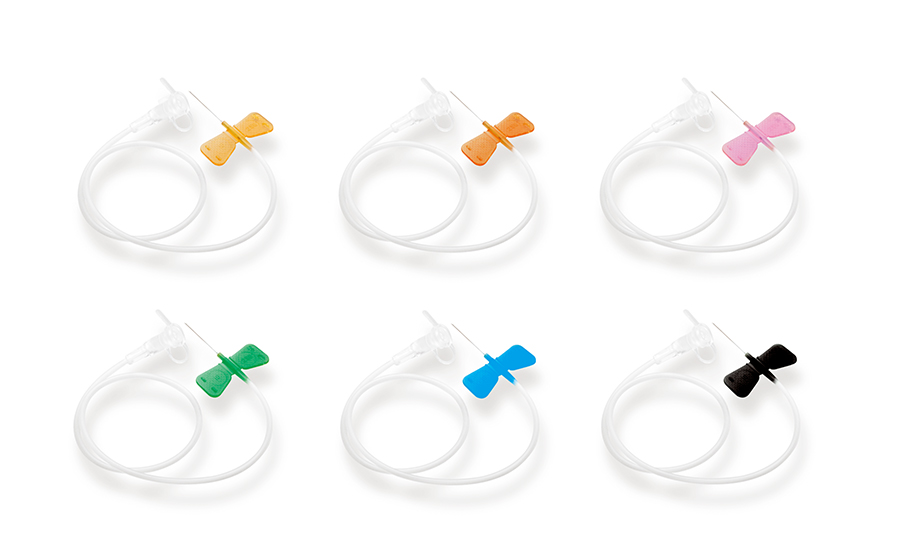
Scalp Vein Set
Medical Consumables Scap Vein Set

Scalp Vein Set

1. Winged hub design Features flexible, textured wings on both sides of the hub for easy gripping and precise needle placement. The wings allow the clinician to flatten the needle against the skin at a shallow angle (typically 10–15 degrees) for optimal venipuncture in small or fragile veins, such as those in pediatrics, geriatrics, or scalp veins. 2. Short, thin-wall cannula Incorporates a short stainless steel needle (commonly 25G to 27G) with a thin-wall design to maximize internal diameter while minimizing outer diameter. This provides adequate flow rate for slow IV infusions or drug administration while reducing vein trauma and the risk of infiltration. 3. Integrated tubing with Luer or female connector Includes flexible, kink-resistant extension tubing (typically 15–30 cm in length) pre-attached to the hub. The distal end features a standard Luer connector or female port for secure attachment to a syringe, IV line, or stopcock, allowing for easy injection, intermittent flushing, or continuous infusion without disturbing the needle site.

View Details
Hypodermic Needle
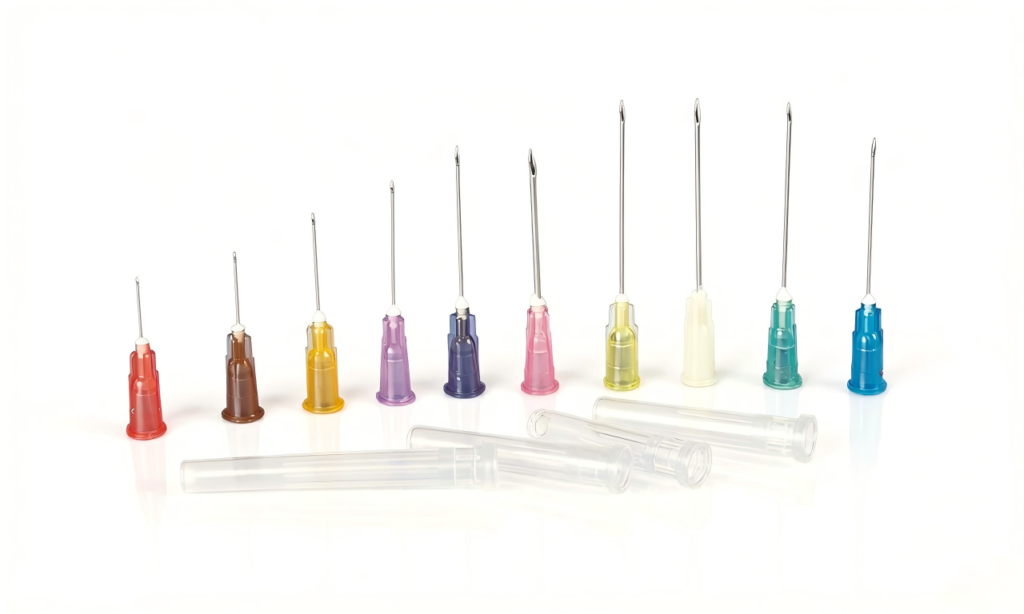
Hypodermic Needle Medical Consumables

Hypodermic Needle

Hypodermic Needle 1. Tri-bevel or multi-bevel needle tip Engineered with an ultra-sharp tip geometry (typically three bevels) to minimize penetration force, reduce patient discomfort, and provide smooth tissue separation during injection or aspiration. 2. Color-coded hub Features a standardized color-coded hub (e.g., orange for 25G, blue for 23G, green for 21G) for immediate gauge identification, helping clinicians select the correct needle quickly and reducing procedural errors. 3. Silicone-coated cannula The outer shaft is coated with medical-grade silicone to reduce friction during skin and tissue penetration, enabling smoother insertion and withdrawal while minimizing drag force and patient trauma.

View Details
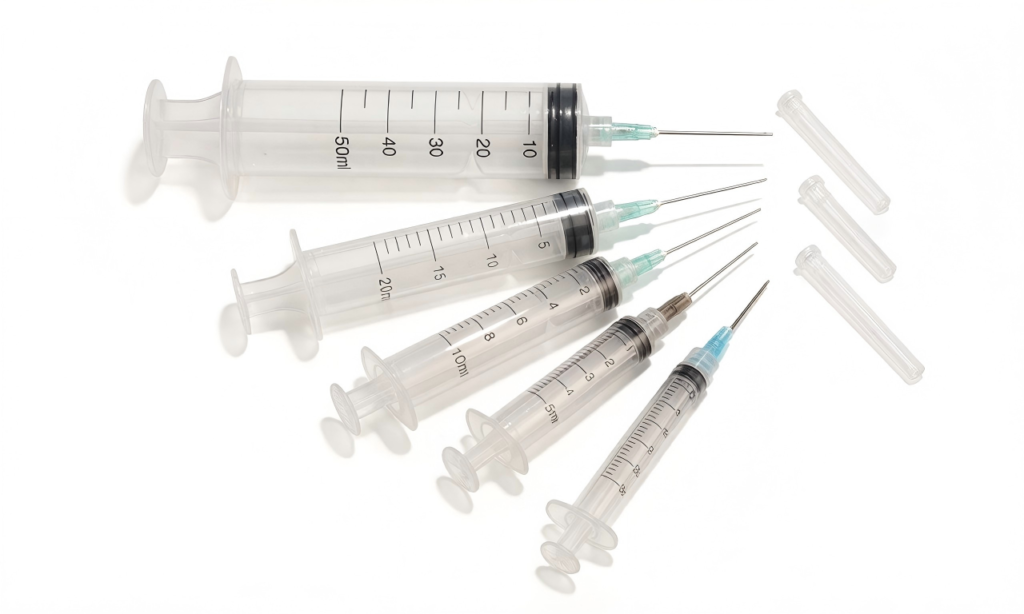
Syringe
Medical Consumables Syringe

Syringe

1. Accurate volume graduation – Provides clear, precise, and easy-to-read markings (typically in mL or cc) to ensure accurate medication or fluid measurement, minimizing dosing errors. 2. Smooth plunger movement – Engineered with low-glide resistance for consistent, controlled aspiration and injection, reducing hand fatigue during prolonged or repeated use. 3. Luer lock or slip tip connection – Luer lock tip securely twists onto needles or catheters to prevent accidental disconnection under high pressure; slip tip allows quick push-on attachment for lower-pressure applications, offering versatility based on procedural needs.

View Details
Combined Spinal and Epidural Kit
Combined Spinal and Epidural Kit Medical Consumables

Combined Spinal and Epidural Kit

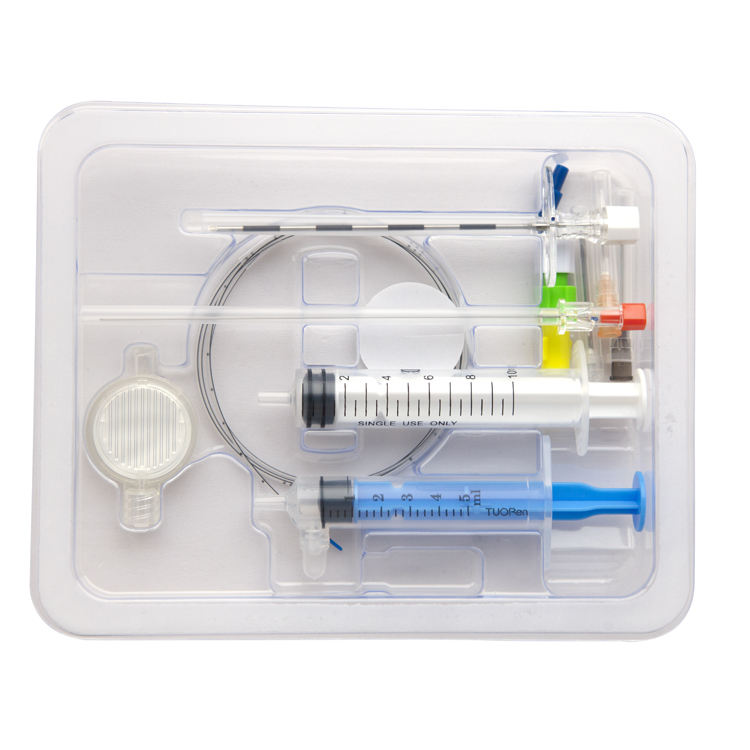
1. Needle-through-needle design – Allows sequential epidural placement and spinal injection through a single interspace, minimizing dural trauma and reducing the risk of post-dural puncture headache (PDPH) compared to separate-site techniques. 2. Pre-assembled components for procedural efficiency – Includes epidural needle, spinal needle (typically 25G–27G pencil point or Quincke type), epidural catheter, low-loss syringe, filter, and adhesive patch, all sterile and ready for immediate use, reducing setup time and contamination risk. 3. Back-eye or hole-at-the-tip epidural needle – Facilitates smooth passage of the long spinal needle while keeping the epidural needle in place; some designs feature a dedicated spinal needle exit port that directs the needle away from the epidural catheter pathway, preventing catheter damage or shearing.

View Details
Spinal Needle
Medical Consumables Respiratory

Spinal Needle

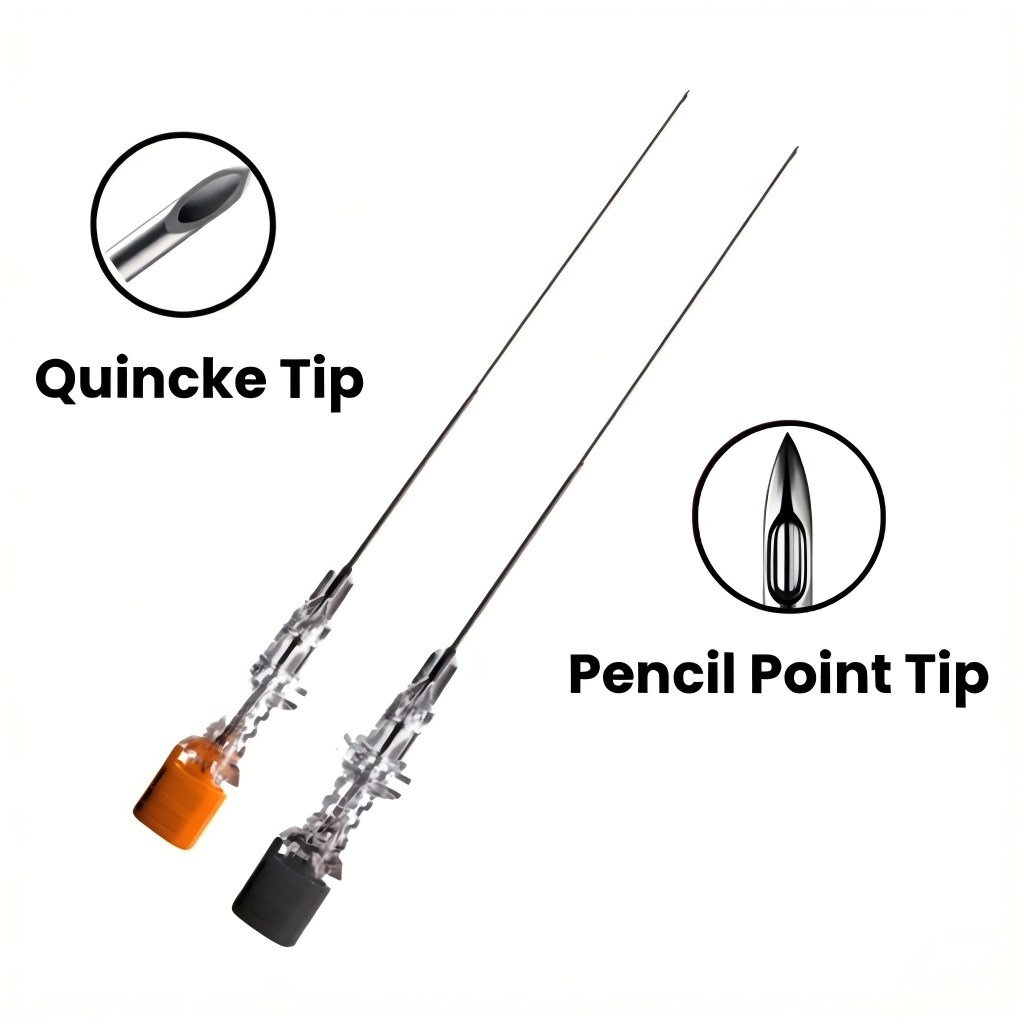
1. Pencil point design (e.g., Whitacre or Sprotte) minimizes dural trauma and reduces the risk of post-dural puncture headache (PDPH) by separating dural fibers rather than cutting them. 2. Quincke type features a traditional cutting-bevel tip, which provides sharp penetration for easier insertion through the dura but may have a higher PDPH rate compared to pencil point needles. 3. Atraumatic and sharp tip options – Available in both pencil point (for reduced tissue disruption) and Quincke (for precise cutting), allowing clinicians to choose based on procedure requirements and patient risk factors.

View Details
Delivery Pack
Delivery Pack Surgical & Procedure Products

Delivery Pack

1. Complete sterile components for vaginal delivery – Includes all necessary items in a single, sterile, single-use pack: absorbent underpads (chux pads), gauze sponges, sterile towels, drapes (with or without leg coverings), graduated plastic basin (for placenta collection), cord clamps, scissors (e.g., episiotomy scissors), and bulb syringe for newborn suctioning. 2. Episiotomy and perineal repair instruments – Contains sterile scalpel (e.g., #10 or #11 blade), needle holder, dissecting forceps (toothed or non-toothed), and suture material (absorbable such as Vicryl or chromic gut) for episiotomy incision and postpartum perineal laceration repair. 3. Infection control & fluid management design – Features fluid-resistant drapes and gowns, large absorbent pads to contain amniotic fluid and blood, and a disposable waste bag. All components are latex-safe (latex-free or powder-free options available) to minimize allergic reactions.

View Details
Angiography Pack
Angiography Pack Surgical & Procedure Products

Angiography Pack

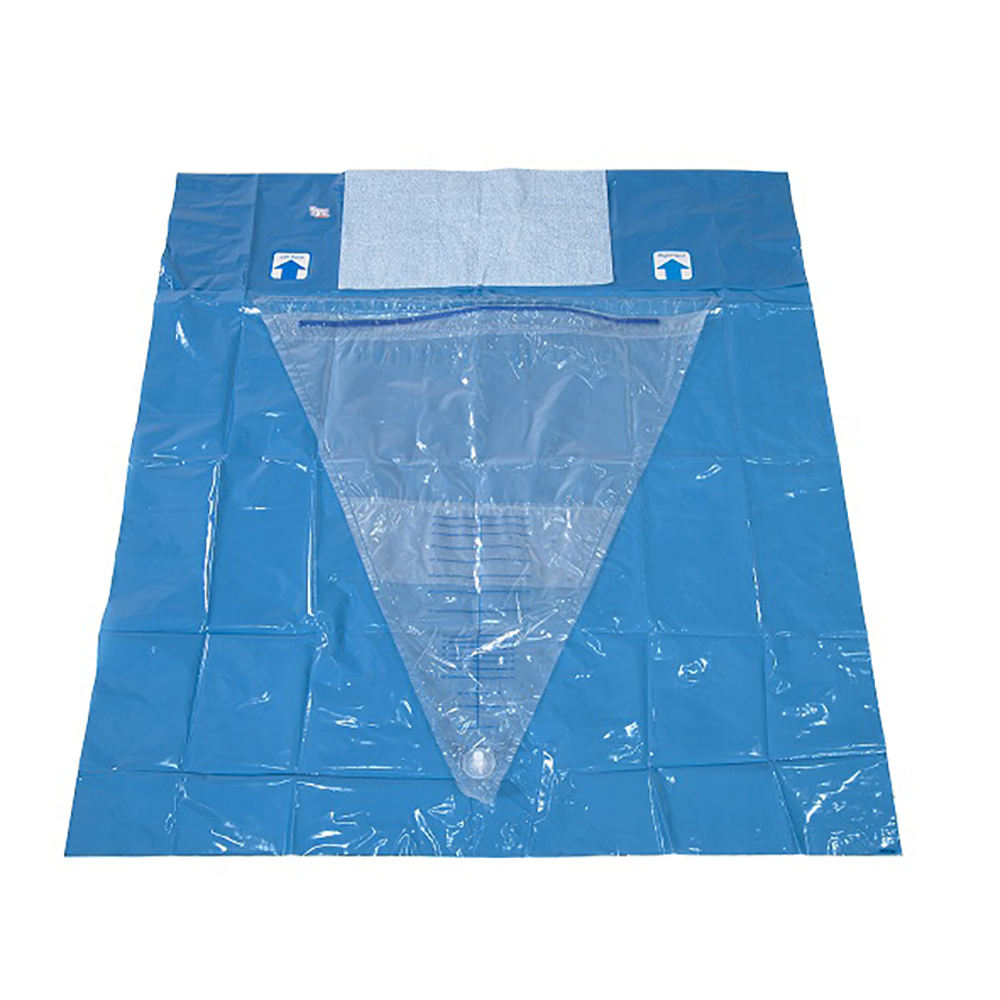
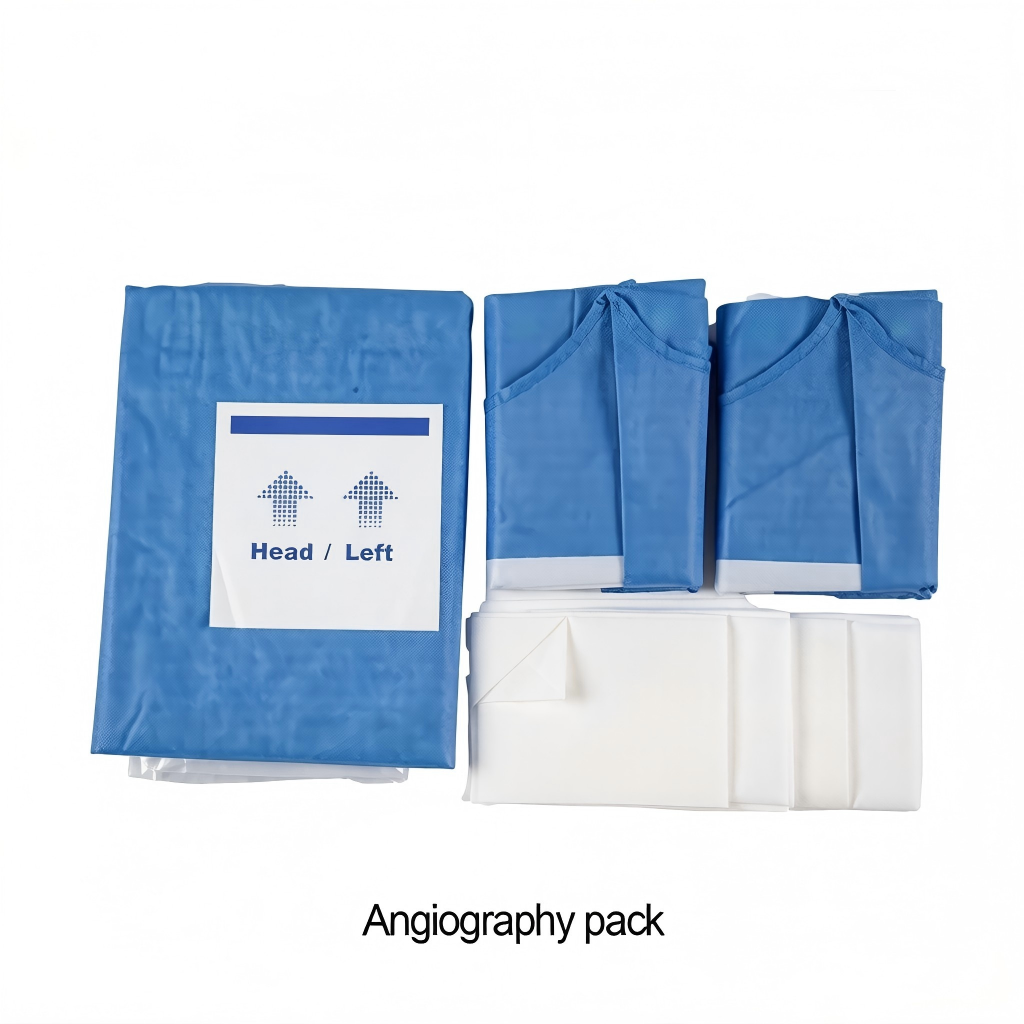
Disposable Sterile Femoral Radial Angiography Pack 1. Dual-access configuration (femoral & radial) – Includes components optimized for both transfemoral and transradial approaches: longer guidewires and sheaths for femoral access, plus shorter, kink-resistant tubing and radial-specific drapes for radial access. Eliminates the need for two separate packs. 2. Complete sterile contents for angiography – Contains fenestrated drapes (large for femoral, smaller with arm board coverage for radial), gauze sponges, medicine cups, syringes (1 mL, 5 mL, 10–20 mL), scalpel (#11 blade), needle holder, suture, radiopaque markers, fluid collection pouch, and graduated canister. 3. Radial artery specific accessories – Includes radial artery compression device (e.g., hemostasis band or clamp) or space for one, along with longer manifold tubing and a smaller-gauge needle for radial puncture. Some packs also include a nitroglycerin/verapamil syringe prep for vasospasm prevention.

View Details
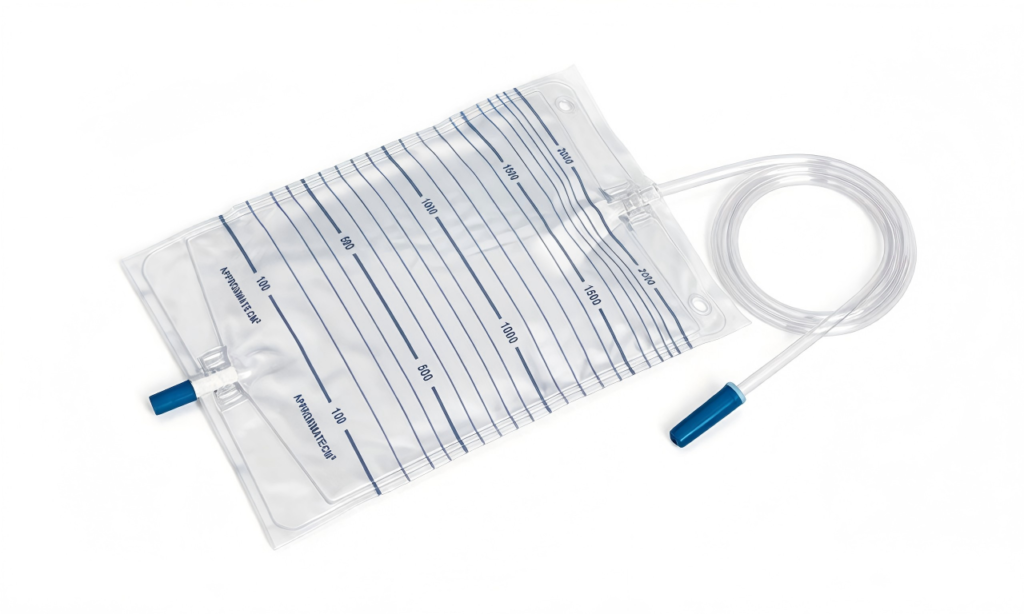
Urine Bag
Drainage Medical Consumables

Urine Bag

1. Multiple size & capacity options for pediatric & adult patients – Pediatric bags (100–500 mL) have smaller dimensions and lower capacity for children. Adult bags (1500–2500 mL) are larger for overnight or extended drainage. Some bags feature graduated markings in both mL and oz for accurate output monitoring across all ages. 2. Various outlet valve designs – No valve (screw cap): simple, low-cost, requires manual opening for draining. Cross-tap (lever valve): easy one‑finger operation, secure seal. Push-pull valve: sliding mechanism, quick open/close with one hand, prevents leakage. This variety allows selection based on patient dexterity, setting (bedside vs. ambulatory), and infection control needs. 3. Leg bag & deluxe / bedside bag configurations – Leg bag (500–1000 mL) : low-profile, elastic straps for thigh attachment, ideal for ambulatory patients. Deluxe bedside bag (2000 mL) : larger capacity, anti‑reflux chamber to prevent backflow, flexible kink‑resistant tubing, and a built‑in sample port for sterile urine collection without disconnecting the bag. Some deluxe bags also include a needle‑free sampling port and a patient ID label holder.

View Details
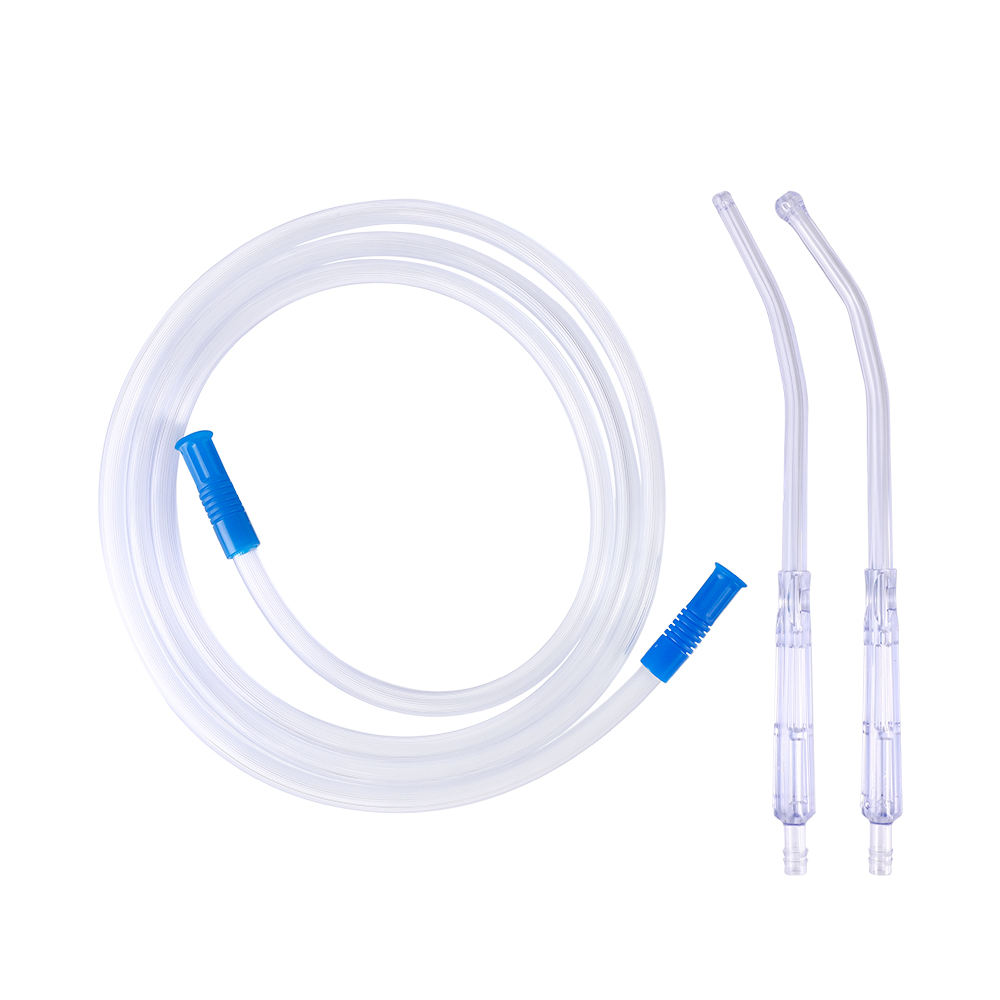
Yankauer Suction Tube
Catheter Medical Consumables

Yankauer Suction Tube

1. Handle or handleless design options – With handle features an ergonomic finger rest or ring handle, providing better grip and control during prolonged or forceful suction procedures (e.g., surgical suctioning). Without handle is a straight, streamlined design that is lighter and easier to pack or pass through tight spaces (e.g., during intubation or bedside use). 2. Rigid, clear plastic construction – Made of medical-grade polystyrene (PS), ABS, or polycarbonate (PC). The transparent material allows visualization of aspirated material (e.g., blood, vomit, secretions) to assess patient status. Rigidity prevents collapse under high vacuum pressure. 3. Bulbous tip with multiple side holes & thumb control port – The rounded, blunt tip minimizes trauma to oral/pharyngeal mucosa. Multiple side holes prevent clogging by a single large clot or debris. The proximal thumb vent allows fingertip on/off suction control, reducing tissue damage from continuous negative pressure.

View Details
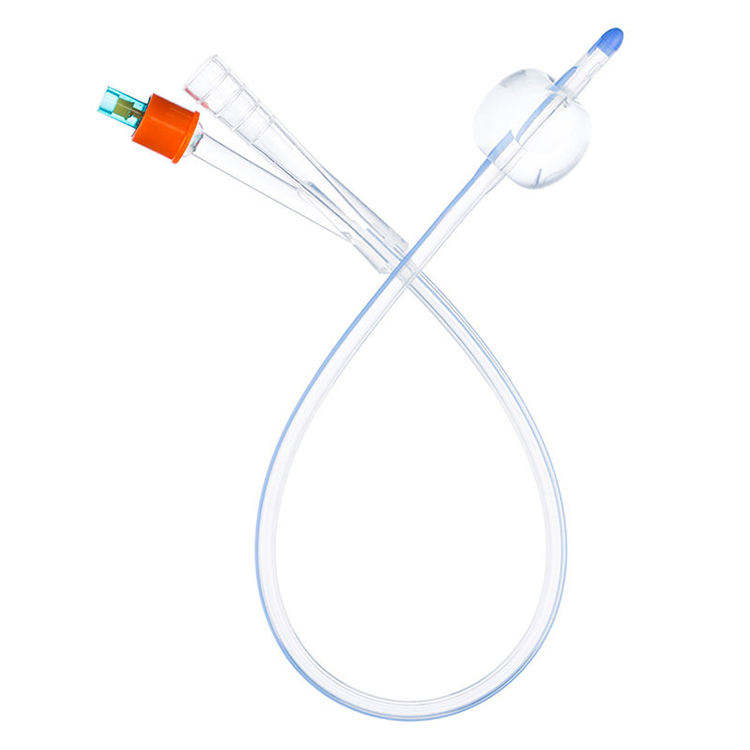
Foley Urine Catheter
Catheter Foley Urinary Catheter

Foley Urine Catheter

Latex 2/ 3 ways Urine Cather; Silicone 2/3 ways Urine Catheter; 1. Latex or silicone material options – Latex catheters (coated or uncoated) are soft, economical, and widely used, but not for latex-allergic patients. Silicone catheters are hypoallergenic, more biocompatible, have larger internal lumens for better drainage, and resist encrustation, making them suitable for long-term indwelling (up to 12 weeks). 2. 2-way (double lumen) or 3-way (triple lumen) designs – 2-way catheter: one lumen for urine drainage, one lumen for balloon inflation. 3-way catheter: adds a third, larger irrigation lumen that allows continuous or intermittent bladder irrigation (e.g., for clot removal) without disconnecting the drainage bag. 3. Retention balloon & radio-opaque tip – A sterile water-filled balloon near the tip anchors the catheter inside the bladder. The catheter tip (and often a line along the shaft) is impregnated with barium or bismuth, making it visible on X-ray or CT to confirm correct placement.

View Details
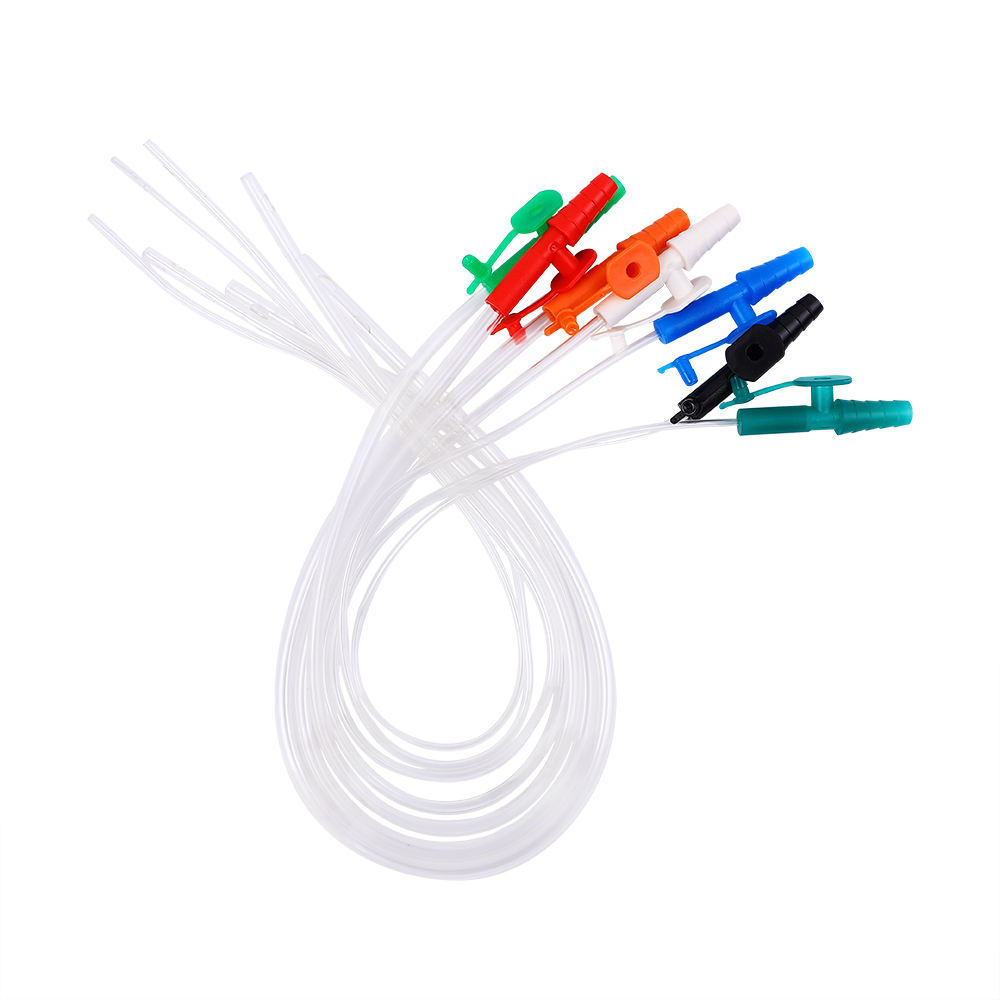
Suction Tube
Catheter Medical Consumables

Suction Tube

1. Medical-grade PVC construction – Made of clear, non-toxic, flexible polyvinyl chloride (PVC) that allows visual inspection of secretions during suctioning. The material is semi-rigid, providing good pushability without collapsing under negative pressure. 2. Multiple tip configurations – Available in various tip designs including straight whistle-tip (single end hole with smooth edges), whistle-tip with side eye(s), or bulbous tip with multiple side holes, allowing selection based on the viscosity of secretions and suction depth required. 3. Graduated markings & thumb control port – Features clear centimeter markings along the shaft for measuring insertion depth. A proximal thumb port (vent) allows intermittent suction control by covering or releasing with the thumb, preventing excessive negative pressure and tissue trauma.

View Details
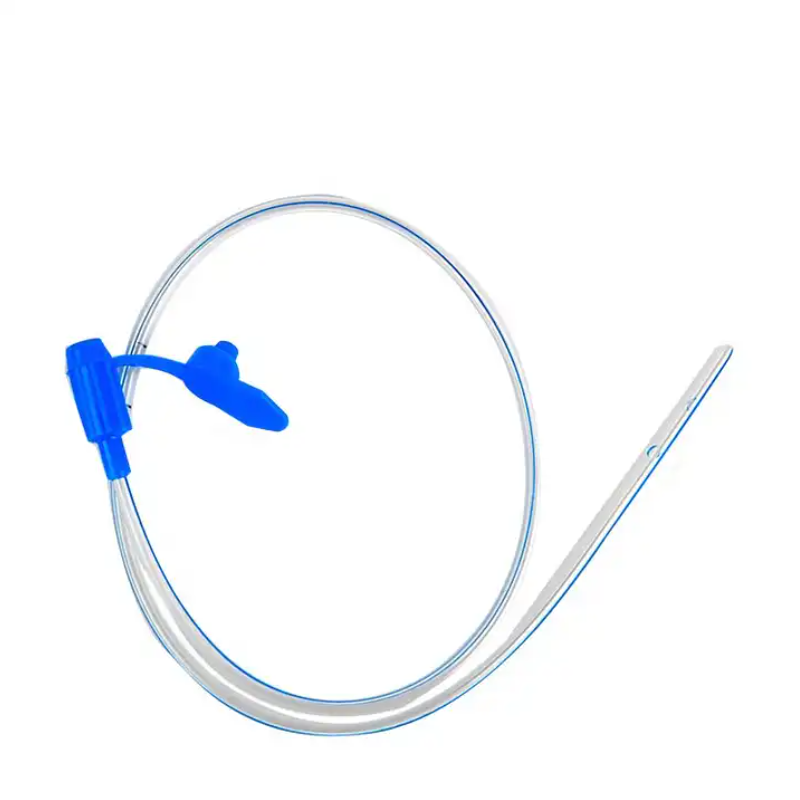
Feeding Tube
Catheter Feeding Tube

Feeding Tube

1. Radiopaque line & graduated markings – A barium-impregnated line runs the entire length of the tube for X-ray confirmation of tip placement (e.g., in the stomach vs. lungs). Clear centimeter markings near the proximal end allow bedside verification of insertion depth. 2. Multiple proximal ports (e.g., double port or triple port) – Main port for feeding/medication; secondary port (blue pigtail, for NG tubes) for inflating a retention balloon (in some models) or for aspiration; third port (if present) for venting or pressure relief. 3. Medication administration – Allows crushing and dissolving of oral medications (e.g., antiepileptics, antihypertensives, antiparkinson drugs) into liquid form for delivery via the tube, bypassing the oral cavity.

View Details
1